
Unlocking Potential: Effective Teaching Strategies for Children with Special Needs
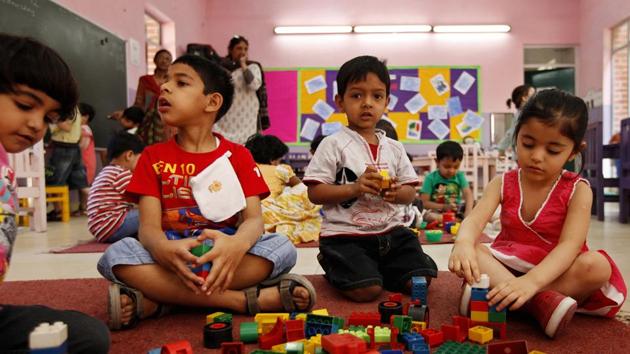
Each kid has the right to an education that meets their individual needs, skills, and potential. The educational process can be both difficult and gratifying for kids with exceptional needs. Fostering these children's growth and success is largely dependent on effective instruction. This blog will address data-driven tactics to improve the educational experience for kids with special needs, examine the value of inclusive education, and examine the difficulties that teachers have.
Why Inclusive Education Is So Important
The concept of inclusive education welcomes variety and aims to establish a setting in which all students, with or without impairments, may participate in group learning. According to the World Health Organisation (WHO), 15% of individuals worldwide have a disability of some kind. It is essential to their general well-being and opportunities for the future that they have access to high-quality education.
Teachers Face These Difficulties:
Teachers who work with students who have special needs face a variety of difficulties, such as differences in the learners' learning preferences, obstacles to communication, and a range of cognitive capacities. It is frequently impossible to meet the demands for specialised resources, customised training, and continuous professional growth. Data, however, indicates that teachers may overcome these obstacles and establish a welcoming and inclusive learning environment by using the appropriate tactics.
Data-Driven Strategies for Effective Teaching:
Personalized Learning Plans (PLPs):
Observations and assessment results can be used to inform the development of individualised learning plans that are specific to the strengths and difficulties that each kid has.
PLPs assist teachers in creating focused interventions and customising their lesson plans to each student's unique requirements.
Use of Assistive Technology:
Basic language and reading comprehension is a challenge for 65% of pupils with learning difficulties, according to the National Centre for Learning difficulties. These issues can be resolved by incorporating assistive technologies.
Research indicates that adaptive learning platforms and text-to-speech software, among other technological tools, can greatly improve the educational experience for kids with special needs.
Collaboration and Professional Development:
Research from the U.S. Department of Education shows that continuous professional development and collaborative teaching approaches have a good effect on inclusive education.
Improved results for kids with special needs result from teacher training sessions that emphasise behaviour control, inclusive teaching methods, and effective communication.
Positive Behavior Support (PBS):
For kids with exceptional needs, behavioural problems can pose a serious risk. PBS is a data-driven strategy that seeks to identify and deal with the root causes of problematic behaviours.
Through the collection and analysis of behavioural data, educators can foster a more inclusive classroom by implementing targeted interventions, creating supportive environments, and reinforcing positive behaviours.
Parental Involvement:
In order to facilitate the education of children with special needs, parental engagement is essential. Research indicates that when parents participate actively in their child's education, the child's social and academic performance increase.
A comprehensive approach to a child's education is fostered via inclusive parent-teacher conferences, cooperative goal-setting, and regular communication.
Conclusion:
It takes effort, adaptability, and a devotion to diversity to teach students with special needs. Teachers are better equipped to recognise and efficiently meet the varied needs of their pupils when they use data-driven techniques. Children with special needs gain from inclusive education, but it also enhances the educational experience for all students by promoting compassion, understanding, and a feeling of belonging. As we persistently endeavour to establish inclusive classrooms, let us acknowledge and value each child's distinct qualities and collaborate to realise their maximum potential.